🇵🇭 Extending the Tourist Visa in the Philippines: Complete Guide 2026
If you're planning a stay in the Philippines longer than the standard 30 days, this guide covers everything you need to know: updated costs for 2026, online and in-office procedures, and some practical tips drawn from first-hand experience.
✈️ Entry and Visa-Free
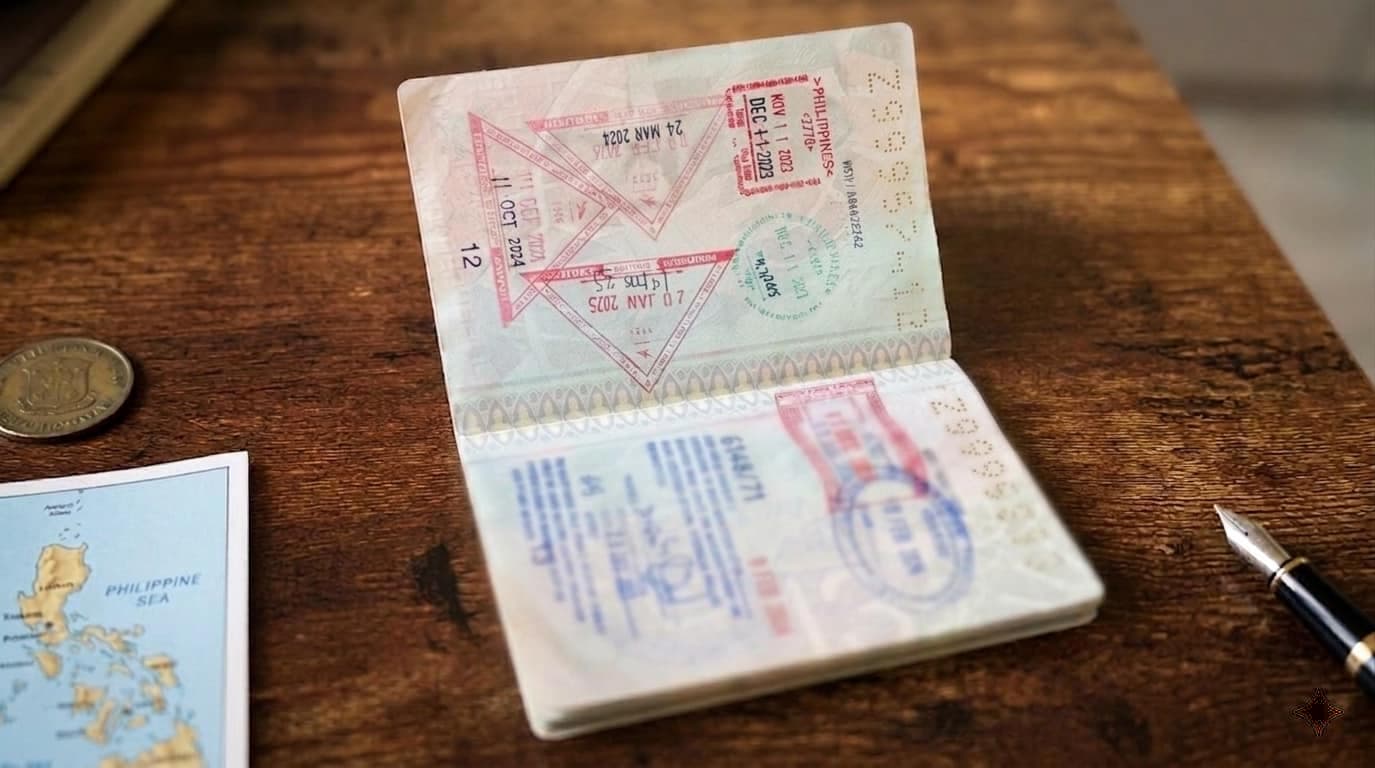
Most European and American citizens can enter the Philippines without a visa, automatically obtaining 30 days of stay upon passport stamping.
- The entry day counts as day 1 (e.g. you enter on September 25 → expiry October 25)
- To check if your country is included in the visa-free program: 👉 passportindex.org
🔄 How to Extend Your Stay
You have two main options when the 30 days are about to expire:
1. Visa Run — Leave the country and re-enter
- It is done almost exclusively by air (sea options exist but are rare and inconvenient)
- The most practical destinations are Hong Kong, Kuala Lumpur, Bangkok, Singapore or Taiwan
- Each re-entry resets the counter to 30 days, but beware: authorities can refuse entry if visa runs become too frequent
2. Visa Extension — Via the immigration office or online
- BI offices on the territory: 👉 immigration.gov.ph
- Online portal (OAPS): 👉 e-services.immigration.gov.ph
🏢 Visa Extension: Office vs Online
Office (Bureau of Immigration)
There are two ways to renew your visa:
- Standard (regular)→ less expensive, but you must leave your passport and return after a few days (from 3 days to about a week) to pick it up along with the receipt
- Express → everything in one day, but costs ₱2,000 more than standard (previously ₱1,000, increase from July 2, 2025)
At the office, bring:
- ✅ Valid passport (at least 6 months of remaining validity)
- ✅ Any receipts from previous extensions, as they will be requested
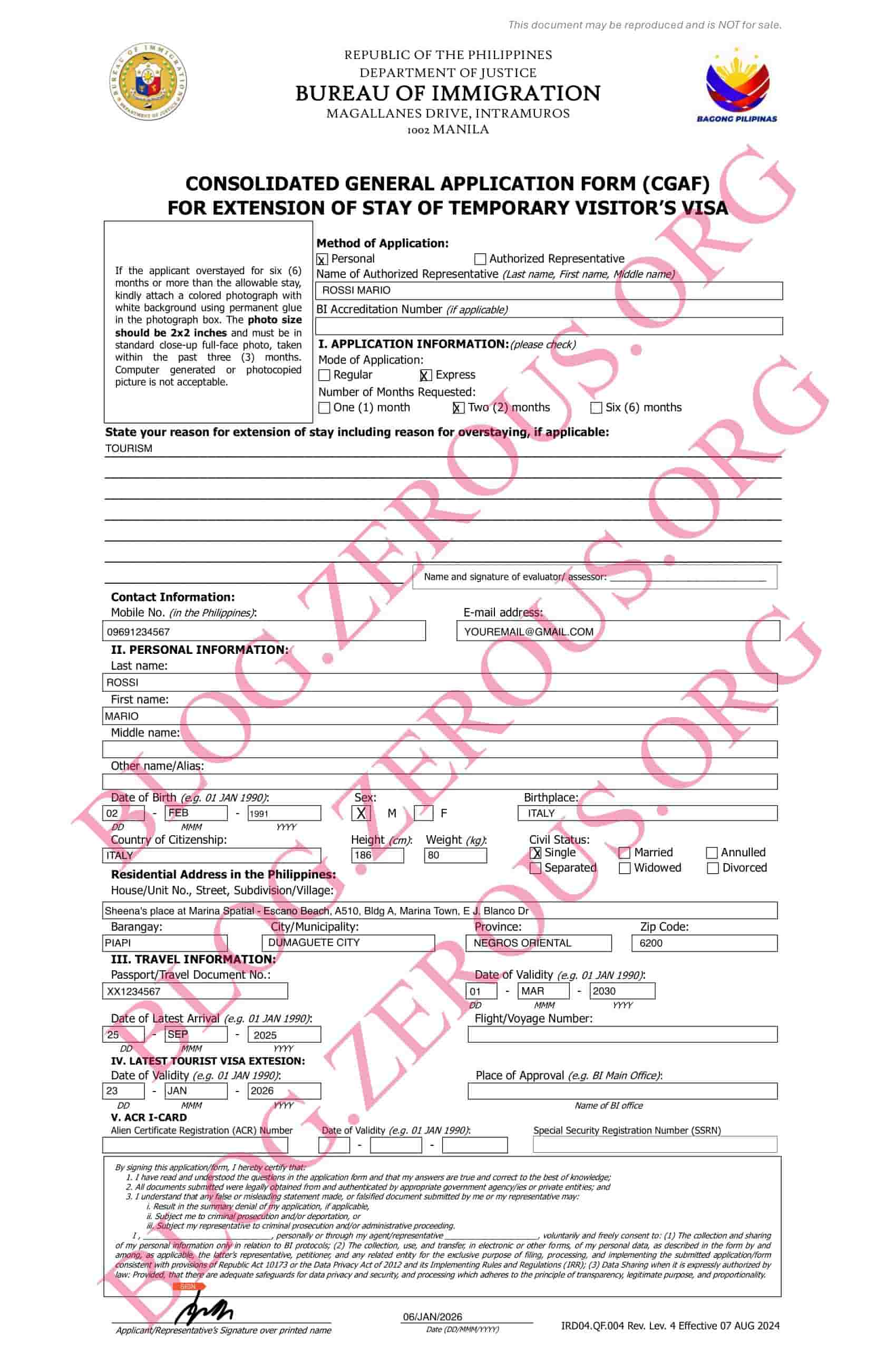
You will be given a form to fill in on the spot:
👉 Example form - Click here
- 👉 Go to the office, especially if you want to save money or if the extension cannot be processed online
- 💸 The “standard” option makes sense if the office is nearby: keep in mind that central offices are often very crowded, and you might end up wasting the entire day
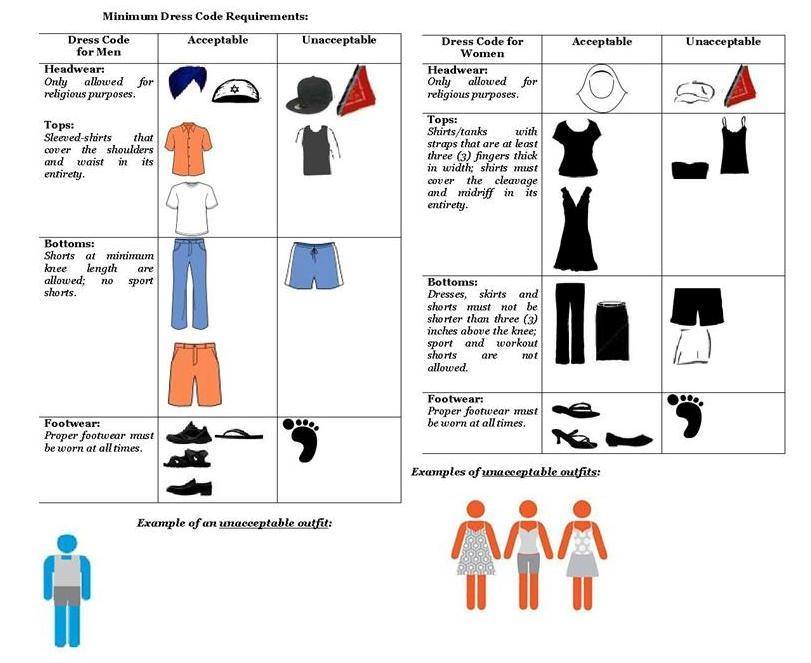
- 👔 Only in some central offices (e.g. Manila, Makati) is a dress code required
💡 Tip: search for the BI office on Google Maps by typing "immigration" — the reviews will give you a concrete idea of the hours and quality of service.
Online (OAPS)
It’s the simplest option: you do everything remotely.
However, you ALWAYS pay the express fee, so there is no cheap version online.
👉 In practice: more convenient and faster, but always more expensive.
⚠️ Not all extensions are available online: check the table below.
Here is a clear overview of what you can do online and what you cannot:
⚠️ If you are not eligible for the online procedure, you will need to go to the nearest BI office.
1️⃣ First Extension: Visa Waiver (+29 days)
This is mandatory as the first step and brings the total stay to 59 days.
Online (recommended 👍)
On the OAPS portal go to Services → Visa Waiver (⚠️ not "Visa Extension", that is the next step).
The updated cost as of 2026 is:
| Cost Item | Amount |
|---|---|
| VISA WAIVER | ₱500.00 |
| VISA WAIVER APPLICATION FEE | ₱1,000.00 |
| CERTIFICATE FEE | ₱500.00 |
| LEGAL RESEARCH FEE | ₱30.00 |
| Subtotal (without Express Fees) | ₱2,030.00 |
| EXPRESS LANE FEE | ₱1,000.00 |
| EXPRESS LANE FEE (CERTIFICATION) | ₱1,000.00 |
| TOTAL | ₱4,030.00 |
| + Credit card payment fee | ₱40.00 |
| GRAND TOTAL | ₱4,070.00 |
📌 Note: online you always pay the express fee, even if there is no physical queue. Before July 2, 2025 the total express fee was ₱1,000 less.
2️⃣ Second Extension: Mandatory ACR I-Card
After 59 days, every further extension requires the ACR I-Card (Alien Certificate of Registration Identity Card).
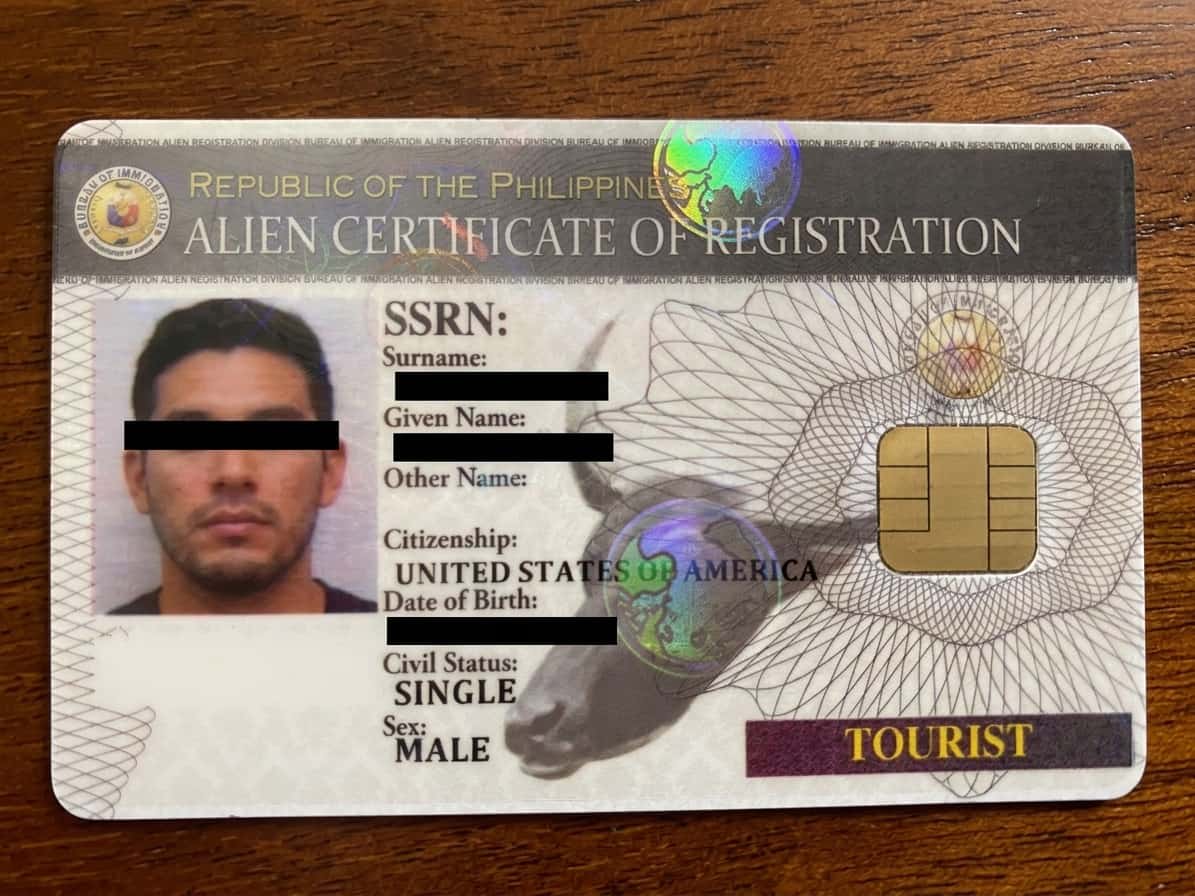
Moreover, from this point on you can choose to renew for 2 months instead of 1, with a difference of ₱500.
At central offices it is possible to get up to 6 months, but they tend to be stricter and often require additional justifications.
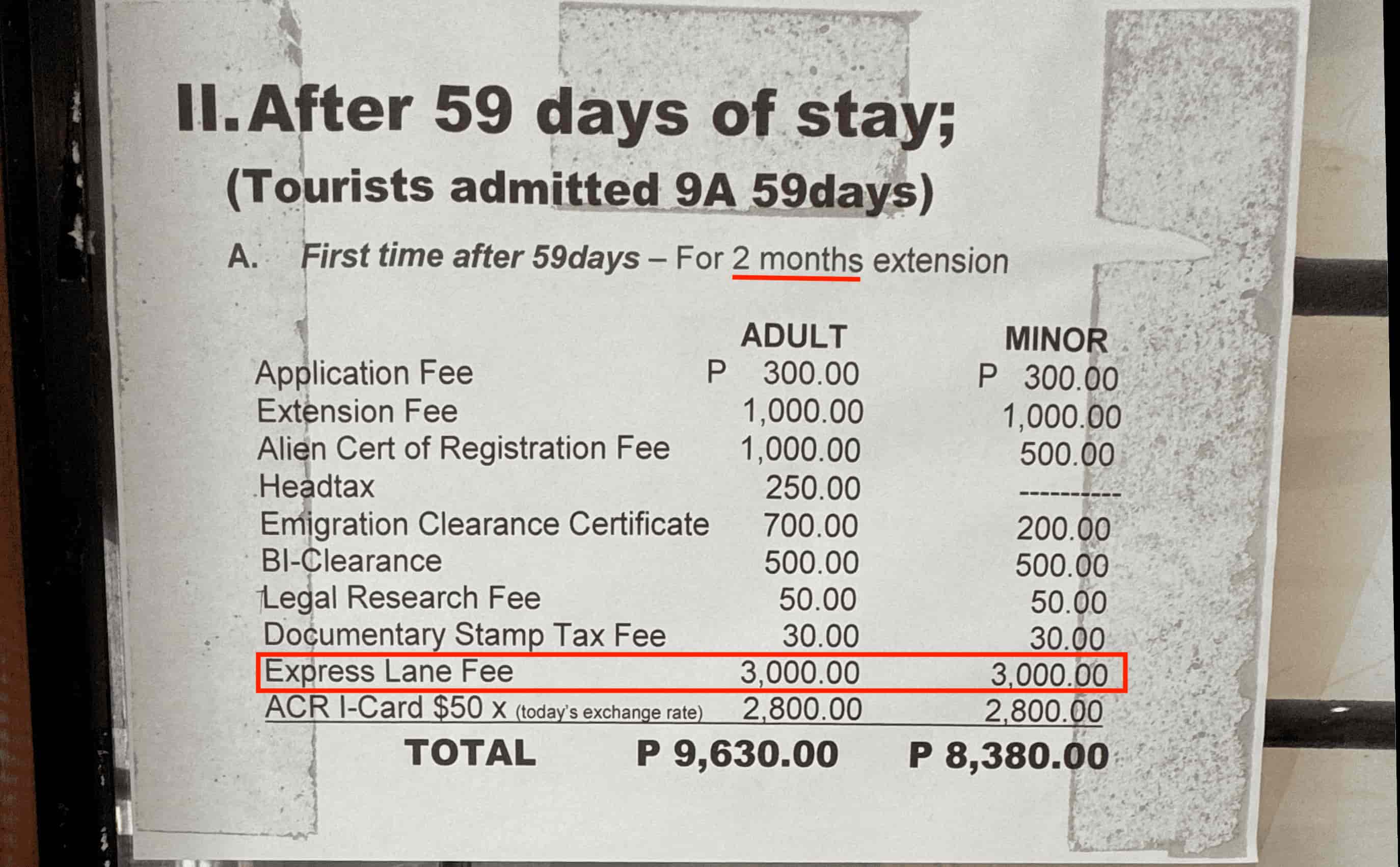
- Card cost: $50 USD (converted at the day's exchange rate, usually around ₱3,000, the peso continues to weaken against the dollar over time)
- The express fee rises to ₱3,000 (₱1,000 extra is for the ACR I-Card)
- Estimated total cost with express fee for two months: ~₱9,630
- Estimated total cost in "standard" mode for two months: ~₱6,630
| Mode | 1 month | 2 months |
|---|---|---|
| EXPRESS | ₱9,130 | ₱9,630 |
| STANDARD | ₱6,130 | ₱6,630 |
🔴 Cannot be done online — you must go to a BI office
⚠️ NOTE: Always bring with you the receipts from previous extensions as well as your passport: they will ask for them practically every time
⏱️ ACR I-Card processing times:
- BI Main Office (Manila): usually a few hours or a few days
- Satellite offices: around 2-3 weeks
💡 Tip: If you plan to move between different areas or islands of the Philippines, organize in advance: you could get stuck waiting for the ACR I-Card
💬 First-hand experience: watch out on the islands
In small island offices they will almost always push you towards the express mode as if it were the only option. If you don't ask explicitly, the standard mode will probably not be offered to you. If you intend to choose the "standard", state it on the form where possible and, if necessary, reiterate it at the counter.
Standard procedure and my experience
In some offices on the islands (as happened to me in Bohol), they let everyone with the express fee go first, even if they arrive after you, making the “standard” option effectively more disadvantageous than it should be. It’s clear they have an interest in promoting this option. In my case, after paying, instead of giving me the receipt immediately, they went on lunch break, leaving me as the last person inside waiting. Let’s say the famous Filipino strictness in following the rules tends to take a break… when money is involved.
A completely different situation occurs in other offices, like Dumaguete: there, there is a single line and no distinction is made between express and standard. The only difference is that, by choosing the “standard” option, you have to come back after a few days to pick it up.
Some practical tips:
- Bring exact change or small bills: some items are variable and in some offices change is only given when collecting the document (if doing standard)
- Check the Google reviews of the office you intend to visit — they often reflect exactly the kind of experience you will find
3️⃣ Third Extension and Beyond
From here on, the costs stabilize:
| Mode | 1 month | 2 months |
|---|---|---|
| EXPRESS | ₱3,360 | ₱3,860 |
| STANDARD | ₱1,360 | ₱1,860 |
📌 Annual Report Fee: if you are in the Philippines between January 1 and March 1, by law all registered foreigners must file an annual "report" in person at the BI. This adds approximately ₱310 to the extension cost — often inserted directly as an item without prior notice.
📌 Visa Sticker Fee: ₱100 applied when the passport receives the TVE sticker during the last extension before reaching 6 months of stay.
Always treat these prices with caution: fees change, some items change names or get swapped with others, other items are variable such as those expressed in dollars, and surprises are the order of the day. Consider these figures as a starting reference.
4️⃣ Sixth Month Renewal
The sixth month introduces a new item called "Certificate of Residence for Temporary Visa" (CRTV) of ₱1,400 which is added to the items of the previous paragraph and brings the total to:
| Mode | 1 month | 2 months |
|---|---|---|
| EXPRESS | ₱4,770 | ₱5,270 |
| STANDARD | ₱2,770 | ₱2,270 |
5️⃣ After the Sixth Month
Costs return to those seen in point 3
👉 3 years is the maximum duration of visa extensions allowed for nationalities that do not require an entry visa. However, remember that each year you will also need to renew the ACR I-Card.
⚠️ Emigration Clearance Certificate (ECC):
If you stay beyond 6 months, you must obtain the ECC before leaving the country. It costs ₱1,000, is processed at BI offices, and takes a few days to complete, so plan 1–2 weeks in advance.
🧾 Cost Summary
Express:
| Extension | Online | 1 month | 2 months |
|---|---|---|---|
| 1st (Visa Waiver, +29 days) | YES | ₱4,030–4,070 | - |
| 2nd (with ACR I-Card) | NO | ₱9,130 | ₱9,630 |
| 3rd and subsequent | YES | ₱3,360 | ₱3,860 |
| 6th month | NO | ₱4,770 | ₱5,270 |
| after the 6th month | YES | ₱3,360 | ₱3,860 |
Standard (regular):
| Extension | Online | 1 month | 2 months |
|---|---|---|---|
| 1st (Visa Waiver, +29 days) | YES | ₱2,030–2,070 | - |
| 2nd (with ACR I-Card) | NO | ₱6,130 | ₱6,630 |
| 3rd and subsequent | YES | ₱1,360 | ₱1,860 |
| 6th month | NO | ₱2,770 | ₱3,270 |
| after the 6th month | YES | ₱1,360 | ₱1,860 |
📄 Appendix
Form
👉 Example form to fill out at the office - Click here
Dress Code
👉 Show the Dress Code - Click here
Complete overview of visa extensions and related prices
👉 Show extension rates - Click here
📌 Checklist Before Going to the BI Office
- ✅ Valid passport (at least 6 months of remaining validity)
- ✅ Any receipts from previous extensions, as they will be requested
- ✅ Know the details to fill in the form at the office
- ✅ Cash in various denominations (cards are not always accepted at satellite offices)
- ✅ Have checked the office reviews on Google Maps
🔗 Official resources:
- Bureau of Immigration: immigration.gov.ph
- Bureau of Immigration forms: immigration.gov.ph
- OAPS portal (online extensions): e-services.immigration.gov.ph
- Visa-free check for your passport: passportindex.org